
Introduction:
Have you ever wondered why some cities have brighter streets while using less electricity? Or why some LED street lighting projects cost much less to operate than others? If you’re like most people, you probably don’t think about it but knowing how much power your lighting system consumes can help you save money and reduce your environmental impact. This is where lighting power density (LPD) comes in. It’s a simple way to measure how efficiently your lights use electricity. Think of it as a report card for your lighting system.
If you work with city lighting, street light upgrades, or public lighting projects, you must understand lighting power density. One reason is that it is important for LED street lighting, where efficiency directly affects long-term costs.
Don’t worry if the term sounds technical. It’s actually quite straightforward. By the end of this guide, you’ll know exactly what lighting power density means and how it affects LED street lighting.
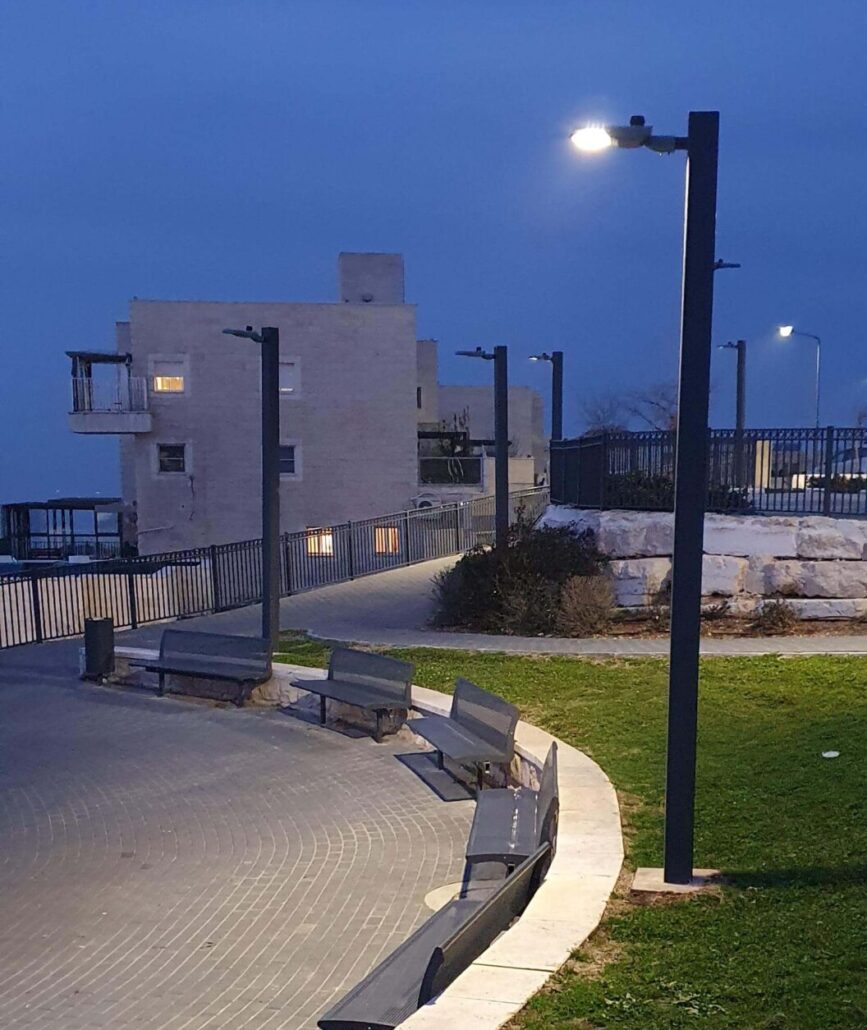
What is Lighting Power Density?
LPD is simply the amount of electrical power your lights use for every square meter of space they brighten. You measure it in watts per square meter(W/m²). It’s like measuring how many miles your car gets per gallon of gas, but for lights and electricity instead.
Here’s how it works:
If you have a 1000-square-meter road with lights that use 2000 watts, your LPD is 2 watts per square meter.
The meaning of lighting power density becomes clearer when you see it in action.
City lighting codes use these numbers to ensure new street lighting doesn’t waste energy. They do this by setting limits on the LPD.
Power companies and energy programs use LPD scores to decide who gets money back. If your street lighting system uses less power than the standard requirement, you might qualify for cash rebates when you upgrade your lights.
Why LPD Lighting Matters
LPD lighting impacts your wallet and the environment directly.
When you reduce your lighting power density, you will see lower electricity bills. Over time, these savings can add up to tens of thousands of dollars each year in large cities.
What is LPD in lighting also relates to your carbon footprint.
Lower LPD means using less electricity, which leads to fewer carbon emissions from power plants.
So, when you choose efficient lighting, you’re helping the environment and also saving money.
Building codes now require specific LPD limits for different road types. When you’re planning LED street light installations or retrofits, you must meet these efficiency requirements. This helps you plan your project and avoid costly compliance issues during the project approval.
Many utility companies offer rebates for LED street lighting projects that exceed efficiency standards. When you know how to calculate and improve your LPD, you can take advantage of these programs and get cash back for upgrading your lights.
The Simple Formula for Power Density
The formula for LPD in street lighting is straightforward.
You divide your total lighting power by your lit road area:
Lighting Power Density = Total Lighting Power (watts) ÷ Illuminated Road Area (square meters)
Let’s walk through a real example. Say you have a road section that’s 4,000 square meters with twenty LED street bulbs that each use 150 watts. Your total lighting power is 3000 watts.
Using the formula: 3000 watts ÷ 4000 square meters= 0.75 watts per square meter.
When calculating for your street lighting projects, make sure to account for the power consumption. Could be LED fixtures, LED drivers, control systems, and any smart lighting controllers. Don’t forget about photocells, motion sensors, and wireless communication devices if your system uses them.
The formula gets more complex on highways and major roads, but the basic principle stays the same. You add up all the lighting power and divide by the total illuminated area. Just make sure you’re consistent with your measurements and include everything that uses electricity for lighting.
What Affects Your Lighting Power Density?
Several factors influence your LPD. The type of fixtures you use makes the biggest difference. Modern high-efficiency LED street lights can achieve 130-160 lumens per watt. This is in comparison to older sodium vapor lights that only produce 80-100 lumens per watt.
The road classification and lighting requirements also matter.
Highways need brighter lights than residential areas.
Arterial roads need a different LPD than local streets.
Each road type has different LPD standards that affect your calculations. This helps to create a balance between energy efficiency and practical lighting needs.
Pole spacing and mounting height also affect your LPD. Wider pole spacing requires more powerful fixtures to maintain uniform brightness, which can increase power density. However, taller mounting heights with appropriate LED lights can sometimes allow wider spacing while maintaining efficiency.
Light distribution and optical design also play a big role. LED street lights with precisely engineered optics can direct light exactly where it’s needed. This helps to reduce wasted light and promote the use of lower-wattage lights. Asymmetric light distribution is also particularly effective for street lighting.
Lighting in Different Spaces
The power of lighting varies dramatically depending on how you use it. Each type of road and public space has specific requirements that affect your LPD calculations.
1. Highways and Main Roads
You need to be meticulous about the lighting on highways. They are the most demanding street light application. You need LPD levels of 0.8 to 1.2 watts per square meter to achieve the best visibility for high-speed traffic.
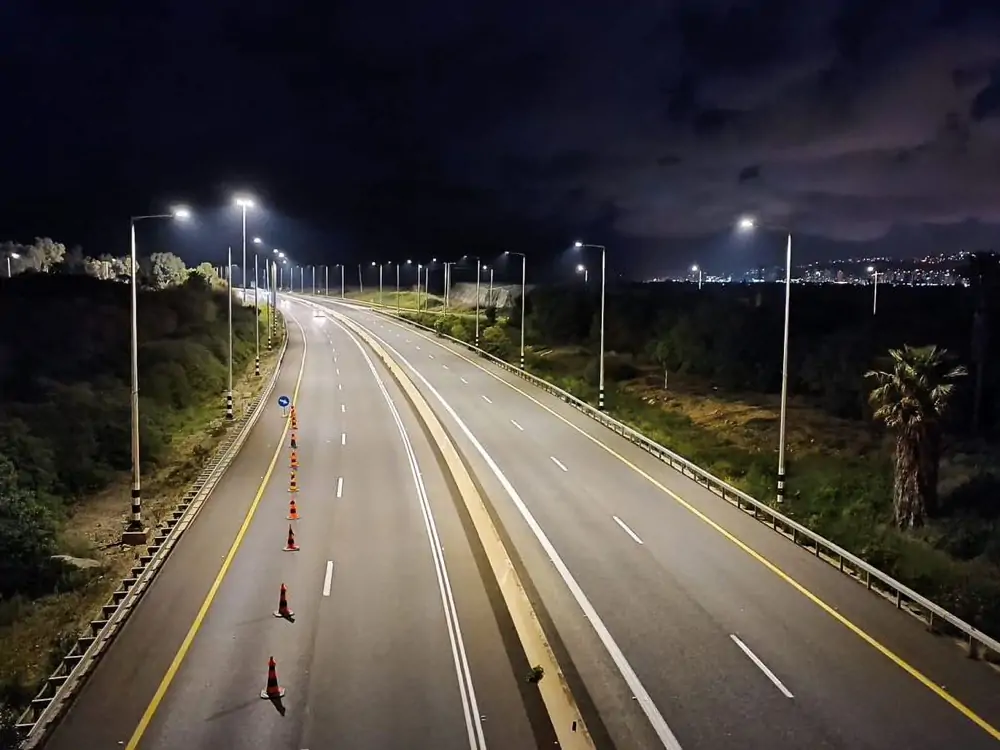
Main roads need consistent, bright light to ensure driver safety at moderate to high speeds. LED fixtures for these applications use around 200-400 watts each, depending on pole spacing and road width. The key is to select LED street lights with appropriate beam angles and light distribution. This will help to minimize glare and maximize brightness on the road surface.
Modern LED highway lighting systems use advanced optics to focus light precisely on the road. This targeted approach reduces light pollution and allows lower LPD while maintaining safety standards.
2. Residential Street Lighting
Lighting in residential areas has different lighting requirements that allow for lower power density. These lights typically achieve adequate lighting with LPD levels of 0.3 to 0.6 watts per square meter.
Neighborhood streets focus on creating safe, comfortable environments for walkers and cyclists. LED lights for neighborhood use emphasize warm color temperatures and minimal glare.
Community safety is most important in neighborhood lighting design. Proper LED street light placement ensures proper lighting at intersections, crosswalks, and along sidewalks.
3. Parking Lot and Area Lighting
Large parking areas and public spaces need uniform lighting across the entire area. The LPD level for lights used in these areas depends on security requirements and usage patterns.

Parking lots at shopping centers need bright, even lighting to ensure customer safety and security. LED area lights in these places have wide light distribution patterns to cover large areas efficiently.
Industrial parking areas and freight terminals often require brighter lights for safety during loading. The power of lighting in these applications focuses on preventing accidents while maintaining energy efficiency.
4. Pedestrian and Pathway Lighting
Pedestrian areas, bike paths, and park walkways require specialized lighting approaches.
Pathway lighting emphasizes creating safe, welcoming environments for pedestrians while minimizing light pollution. LED lights used for this pay careful attention to beam angles and mounting heights.
Park and recreational area lighting must balance safety requirements with environmental sensitivity. Many cities now require shielded lights and warm color temperatures to reduce impact on wildlife.
How Can You Quickly and Efficiently Design Lighting for Different Spaces?
1. Use Professional Software
Dialux and agi32 are the two most commonly used software for lighting design. They can efficiently and effectively solve the lighting problems of most spaces.
2. Find a Professional Lighting Company
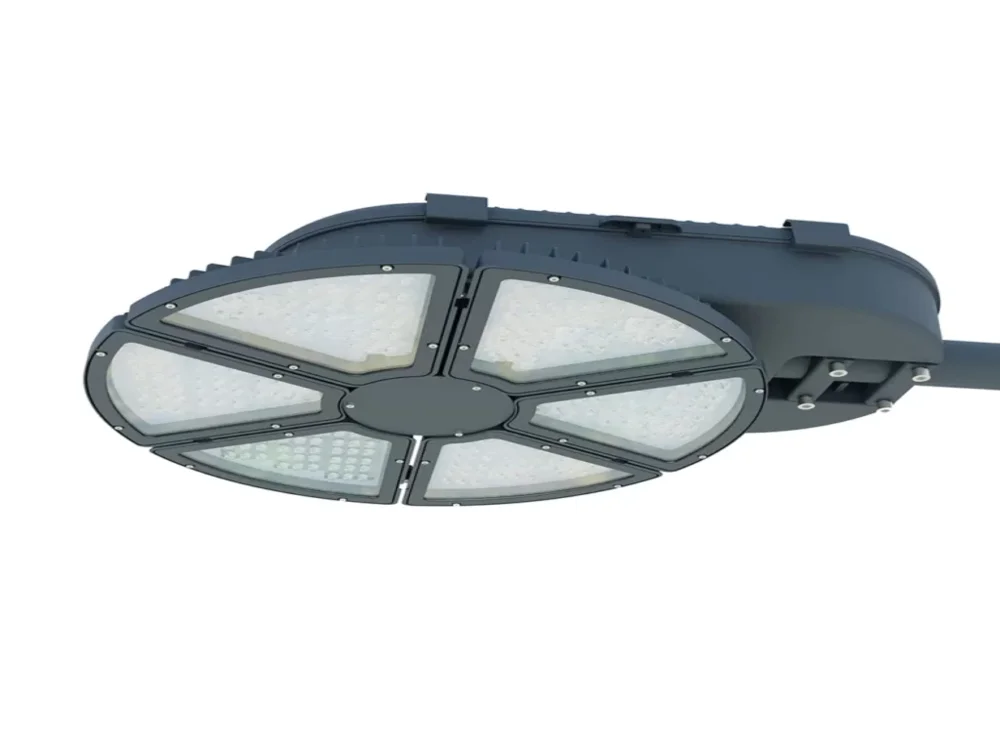
In lighting design, choosing an experienced partner is crucial. KANGLIGHT has repeatedly won bids with its efficient and energy-saving designs. It has accumulated extensive experience in numerous domestic and international projects. Without a doubt, KANGLIGHT has become a trusted lighting solutions provider in the industry. The following are some of the lamps commonly used by the company.


Reducing Energy Costs For Older Lights
If you’re wondering how to reduce energy costs for sodium lighting and other older systems, there are several effective options.
Sodium lights are used in parking lots, streetlights, and warehouses. But, they use a lot of electricity and generate excessive heat.
The most impactful change you can make is upgrading to LED technology. LED lights use a fraction of the power that sodium lights consume while providing better color quality and longer lifespans.
If you can’t replace all your sodium lights at once, start with the ones that run the longest hours each day. Main roads and highways that operate all night will give you the biggest savings when you switch them to LEDs.
Installing smart lighting controls also provides another opportunity for savings. Occupancy sensors can dim street lights during low-traffic periods. Adaptive lighting systems can automatically adjust brightness based on environmental conditions and traffic patterns.
Regular maintenance keeps your sodium lighting system running. Clean fixtures and reflectors provide more light output. So you don’t need to buy more lights if they dim. You may just need to clean the existing ones.
Replacing worn parts before they fail prevents your system from drawing more power than necessary.
Consider zoning your lighting so you only light the areas you’re actually using. Instead of lighting an entire parking lot, try this. Use motion sensors to bring lights to full power only when vehicles or people are present. This targeted approach can reduce your overall LPD while maintaining safety.