
Introduction
The use of lights is very important for gardens. This helps keep the area safe and helps you see everything clearly. In fact, a garden with the right lighting setup feels more welcoming and visually appealing. However, many people have no idea how to choose garden lights. That’s where this LED garden light buying guide proves helpful.
In the past, lights were less energy efficient. They used to consume more power, and people had to keep them switched off. However, LED garden lights are known for their energy efficiency and provide excellent lighting. However, choosing LED garden lights isn’t easy-peasy. In this article, I will guide you in choosing the right LED garden lights that deliver excellent performance. So, let’s get started.
Overview of LED Garden Light
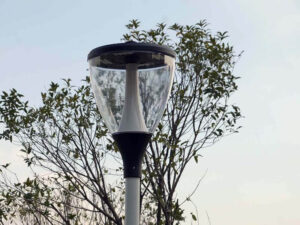
LED garden lights are fixtures that consist of LED bulbs. These lights consume very low energy due to the use of LED technology. However, they produce a high amount of light, making the area look brighter. These lights are used in gardens, lawns, patios, pathways, and more. Additionally, these garden lights are very durable and long-lasting.

First things first – these garden lights come with LED technology. LED bulbs use less energy and convert it into light. As a result, you get light with higher lumens but lower energy consumption. In the past, conventional lights consumed more power and increased electricity bills. Unlike them, LED garden lights reduce electricity bills, which is a major reason for their adaptability and popularity.
These LED lights come in various designs and styles. As you know, people have small patios, lawns, and so on inside single gardens. The versatile style and design of these garden lights make them fit in those sections. Some types of LED garden lights are as follows:
- Spotlights
- Floodlights
- Post Lights
- String Lights
- Pathway Lights
This means you can choose a garden light as per your needs and preferences. When it comes to durability, LED garden lights stand out. These lights can withstand rain, moisture, and harsh wind and remain in good condition. On average, one LED-based garden light can provide 50,000 hours of lifespan. This is huge compared to old conventional fluorescent lights.
Interestingly, LED garden lights are available with different features. They come with remote control systems, sensors, etc. These lights allow you to adjust their brightness and temperature. Additionally, they change the colors, making the garden look more modern and visually appealing. However, LED garden lights with advanced features are generally more expensive.
How to Choose LED Garden Light: A Buying Guide
Selecting LED garden lights is not straightforward. Various factors influence the selection of these LED lights. Considering these factors helps you choose the LED-based garden lights that fit your needs. In the section below, I will discuss these factors to help you choose the right LED light for your garden.
1- Brightness & Color Temperature
Brightness and temperature are two important considerations. Brightness, which is measured in lumens, indicates how brightly a light illuminates the space. I recommend choosing LED garden lights with a medium lumen output (around 200). These lights will provide optimal lighting and adequately illuminate the garden. For decorative garden lights, choosing 50-lumen lights works well.
Go with higher lumens (300 or higher) for floodlights, which are more about garden security. The temperature of the lights, measured in Kelvin, should be carefully considered. The LED garden lights with low Kelvin (2700K or 3000K) produce yellowish light. This can make the environment look more cozy but less bright.
Conversely, LED garden lights with higher temperatures (4000K or above) produce brighter light. You can choose the lighting temperature as per your personal preferences. Interestingly, you can also choose lights that let you adjust their temperature. This way, you’ll be able to adjust the lighting to both high and low temperatures, depending on your mood. However, these LED garden lights are a bit more expensive.
2- Power Source & Energy Efficiency
Some LED garden lights use DC (run on batteries). On the other hand, some lights use AC, which works best with home electrical connections. If you have a battery, you choose the lights that need DC. If you want lights to run on household electricity (which is AC), look for AC-powered lights.
Energy efficiency is another important consideration. LED technology makes these lights consume less energy. However, you should further choose the lights that have a lower power rating. These lights consume very little power, reducing electricity use even more. However, if you aim to illuminate more space, go with a larger light with a higher power rating.
3- IP Rating Especially if Lights are Used in Harsh Weathers
IP rating is one of the most important considerations. This indicates how well a light is protected against dust particles and moisture. LED garden lights with an IP rating below 65 should not be chosen. Such lights can be affected by both dust and moisture. I recommend choosing LED garden lights with an IP rating of IP65 or IP67. The LED lights with IP65 are typically a better option against dust and moisture. However, garden lights with IP67 are even better as they are resistant to rain as well. If you use them indoors, an IP65 rating is fine. If you use them outdoors, IP67 is the best way to go.
4- Material & Build Quality
LED garden lights are typically made of two types of materials. These include plastic and metals such as stainless steel. If your budget is high, I recommend choosing lights with stainless-steel frames. This material is very durable, ensuring greater longevity and corrosion resistance. If the budget is tight, you can choose lights made of plastic.
But make sure this plastic is high-quality and durable. Additionally, build quality should also be considered seriously when choosing LED garden lights. You should make sure that the LED light you buy has excellent sealing, properly secured joints, and a smooth finish. Lights with bad build quality are not very long-lasting and deteriorate quickly.
5- Beam Angle & Coverage Area
Beam angle and coverage area are two related terms. You should consider these two parameters when buying garden lights. If you want more focused lights with less coverage area in the garden, choose lights with a narrow beam angle (around 15°–20°). LED lights with this small beam angle are best for a smaller-sized garden. However, if you want more area of the garden to be covered, you can choose lights with a wider beam angle (120°). Such a wider angle will ensure the light spreads in more areas, illuminating more space. Remember, for spotlights inside the garden, lights with a lower beam angle are the best options.
6- Durability & Lifespan
Do I need to say it? Ignoring the durability of LED lights is like wasting your budget. As you know, garden lights face different conditions: dust, sunlight, rain, and so on. So you should choose lights that are durable and made of strong materials. Their seals must be in good condition so that rainwater does not go inside them. Such durable lights generally offer a better lifespan. I recommend choosing LED lights with 40,000 to 50,000 hours of runtime. Such lights can easily stay in good condition for years without requiring any maintenance or replacement.
7- Design & Aesthetic Style
When it comes to design, the gate is wide open. As you know, everyone has their own preferences when it comes to the design of LED lights. Something that may not feel attractive to me can attract others. LED garden lights come in different styles and designs. These include rustic, modern, classic, and the list goes on.
Additionally, these lights also come in various sizes, which further influence the aesthetics. You can choose the lights as per your preferences. Additionally, there are different types of lights. For example, you can choose strong lighting to show trees. Similarly, pathway lights are best suited for pathways. This way, you can organize the lights in your garden to make it visually appealing.
8- Ease of Usability & Installation Type
Different LED garden lights vary in their uses and installation types. Interestingly, some lights come with tiny batteries. You can place the lights, turn on the switch, and they will turn on. However, other lights require a dedicated installation process. They have complex wires, advanced sensors, etc.
If you have advanced lighting, installing it would be difficult. In such a case, you’ll need the help of a professional to get the LED lights installed. He will charge a fee but will professionally install and organize the lights in your garden. If you don’t have any knowledge of lighting, I recommend choosing ones with an easy installation process.
9- Simplicity vs Modern Features
Some people are not tech-friendly – for those, simple LED garden lights are best. These lights work fine, produce optimal light, and that’s it. These lights mostly don’t have any issues; even if they do, they are easy to repair and maintain. However, if you’re more tech-savvy and want to make your garden more modern, go for lights with modern features.
These include remote controls, sensors, color-changing capability, brightness adjustment, and so on. These features will allow you to adjust the garden lights as per your mood. However, these modern LED garden lights can be a headache to deal with when issues arise. Their repair and maintenance are more complex and require professionals. Modern features with more hassle or simple lights with easy maintenance: the choice is yours.
10- Cost vs. Brand & Warranty
Cost vs. brand has been a hot topic for many when choosing LED lights. I consider choosing lights to prove value. Don’t run for the brand, as they charge more for the same level of LED light you can get at a much lower price from any other shop. You should check if the lights are durable and fit your needs.
If it works for you, it is not wrong to pay more. Remember, pay for lights, not the brand. If the lights are high quality, paying more is worth it. However, don’t pay more just because LED garden lights are branded. Warranty ensures peace of mind when buying LED garden lights. This ensures that if the lights start malfunctioning, you’ll get them changed, saving you money.
Conclusion
In conclusion, choosing the right garden light is crucial so that you don’t have to face daily fixes and repair issues. However, when it comes to selection, you see many LED lights with a wide range of features. This can make things confusing, especially if you’re new to garden lights. That’s where this article on a garden lights selection guide will help you make things simple.
In this article, I discuss 10 key factors to consider when choosing LED garden lights. Remember, you should pay close attention to energy efficiency, durability, and the brightness of the lights. If your lights are fine in these aspects, you’re more likely to get a satisfactory lighting experience in your garden. If you have a tight budget, focus on simple, functional lights rather than modern features.